



In the hills outside Bethlehem, near the town of Al Khader, there are caves in the rocky ground. Stray dogs use them for shelter, and sometimes to give birth, presumably because they feel safe and quiet.
It was in one of these caves that a local man found her.
A mother dog, lying still. She had been nursing. And pressed against her body were eight newborn puppies, crying, climbing over her, still trying to feed.
She had died with her babies beside her. They were only days old, eyes still closed, and they did not understand that she was gone.
The man contacted the Bethlehem Shelter, a partner ROLDA is proud to support. He was told to fetch milk and bottles, and to hurry. He went back to the cave and tried to feed them himself, one at a time, out in the open where they had been found.
But the puppies were already dangerously weak. Newborns cannot regulate their own temperature. They cannot go long without milk. Every hour they had spent beside their mother waiting for milk that would never come had cost them.
They needed more than one man with a bottle could give.
That was when Diana from the shelter stepped in. She collected all eight puppies, bought formula, and took them into foster care, then straight to a vet.
What followed was the kind of work that does not make for easy reading. Round-the-clock bottle feeds. Warmth. Constant watching. And the fear, always present, that not all of them would make it.
That fear proved right. Three of the puppies were simply too weak, and despite everything Diana and the vet team did, they slipped away.
We could leave that part out. We would rather tell you the truth, because the truth is that rescue work does not always end the way we want it to, and the people who do this work carry those losses.
But five puppies are still here.
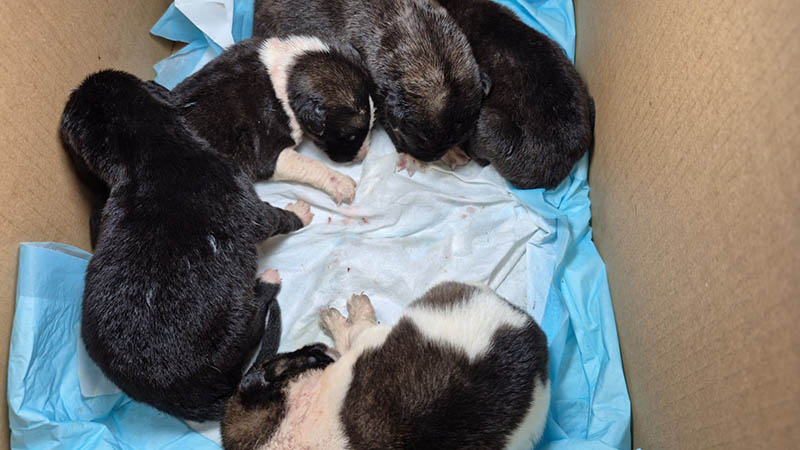
Five orphans who are being bottle-fed, kept warm, and watched over every day. They are still tiny, and the next few weeks are the most fragile of their lives. But they are no longer alone in a cave, and they are no longer waiting for a mother who cannot answer. I like to think she would have taken some comfort in knowing that they found help and her legacy lives on through them.
This is what happens when someone refuses to walk away. A man who could have kept walking made a phone call. A shelter answered it. A rescuer opened her home. And behind all of them stand you and other supporters of the ROLDA Rescue Team, whose kindness makes it possible to say yes when the call comes in.
Five small lives are being carried through their most fragile days right now. That is your kindness at work. Thank you for making it possible.
A knotted bag, tied tight, tossed out with the rubbish. Inside, something was crying.
Six newborn kittens had been thrown cruelly away in Bucharest, like household waste. So new to the world that their umbilical cords were still attached, they had not yet even opened their eyes. They had never seen the world, and already someone had decided they were merely a problem to be disposed of.
They cried from cold and hunger, searching for a mother who would never come. Yet was almost certainly longing for them.
This is what abandonment looks like at its most raw. Not a decision made in a moment of panic, but a bag, deliberately tied, left for the rubbish truck. The only thing that saved these kittens was that someone heard them in time.
That someone was Love4Paws, a ROLDA rescue partner working in Bucharest. What followed was not a quick fix. It was weeks of relentless, round-the-clock work.
Newborn kittens cannot regulate their own temperature, cannot feed themselves, cannot survive without a mother or a very determined human standing in for one. So the rescue team became their mother.
Bottle-feeds every two hours, day and night, yes, even at 3 a.m. Heated pads to keep fragile bodies warm. Constant supervision. And underneath it all, the ever-present fear that one of them might not make it.
That fear came true. The smallest kitten, despite every effort, every feed and every warm blanket, was simply too fragile. She did not survive.
But five did.
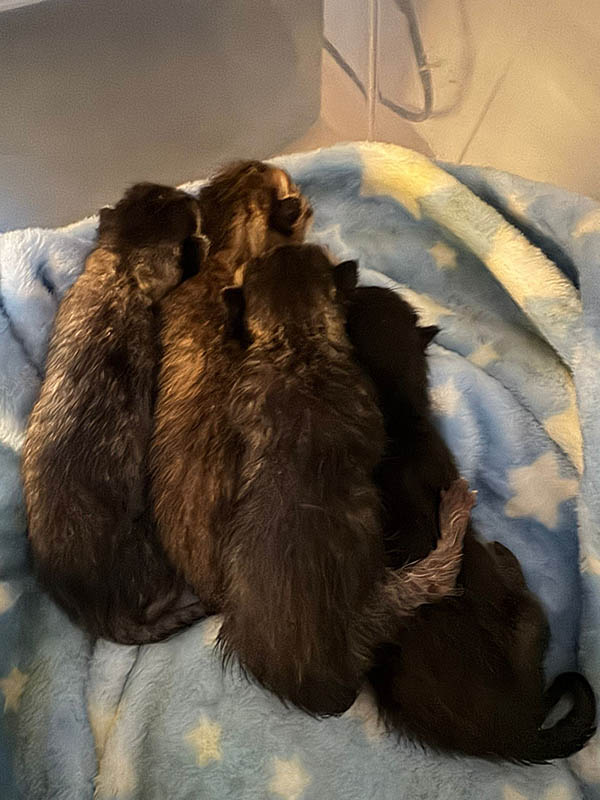
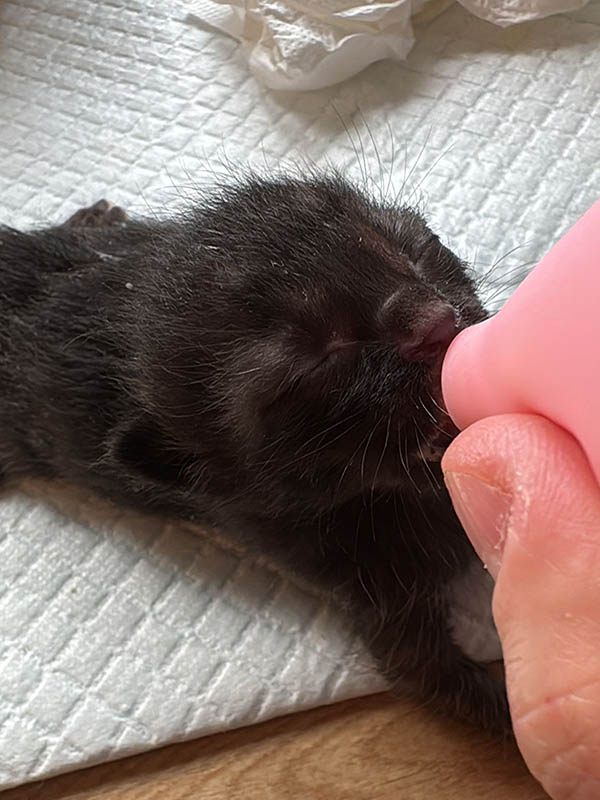
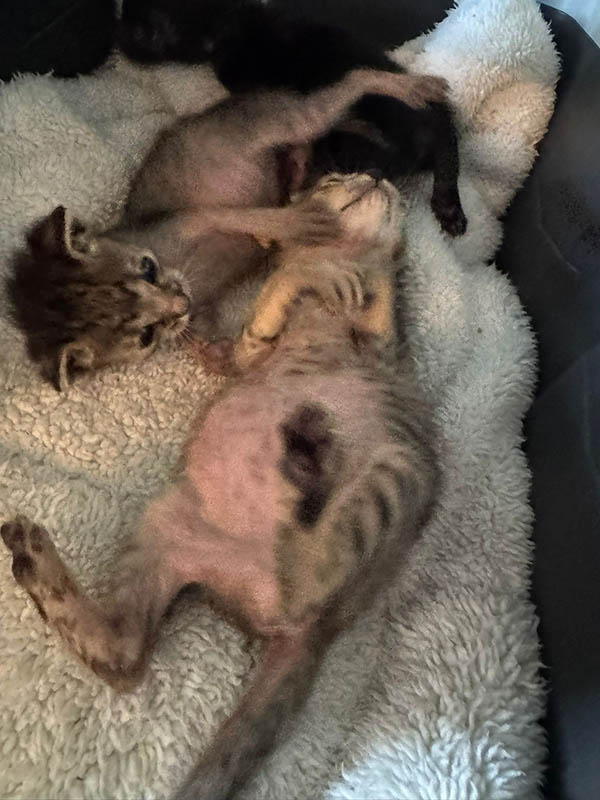
Five tiny fighters who are now growing before our eyes. They have started eating on their own, still taking the occasional bottle top-up, and, absurdly small as they are, they have already worked out how to use a litter tray. Their vaccinations will begin at two months old.
One of them, a little black kitten, has been named Lil PeePee. It made the team laugh, and the name stuck. You would understand it too if you saw the way he drinks his milk, tail sticking straight up.
Here is the hardest truth in this story. It was entirely preventable.
These kittens were not the result of some unavoidable tragedy. They were the result of a single unsterilised cat and a person who chose a knotted bag over a moment of responsibility.
Spaying and neutering is not cruel and it is not “against nature.” It is the one thing that stops this happening again, and again, and again. Every litter prevented is a bag that never gets tied.
Five kittens are alive today because Love4Paws refused to look away, and because supporters like you make that work possible. They will grow up never knowing how their lives began. They will only know warmth, safety, and the people who fought for them.
That is the difference your kindness makes. Thank you.
The dog catchers came to Lacul Sarat, Braila, and Rico and Nora’s lives changed in an instant.
One moment they were free. The next, they were behind the fences of the public shelter, two dogs among many, waiting for a fate that no one could promise would be kind.
Public shelters in Romania are overcrowded and underfunded. For a healthy dog, they are frightening places. For a dog who falls ill, they can be a death sentence. And that is exactly what began to happen.
By the time Rico and Nora came out of the shelter, both were sick. Seriously sick.
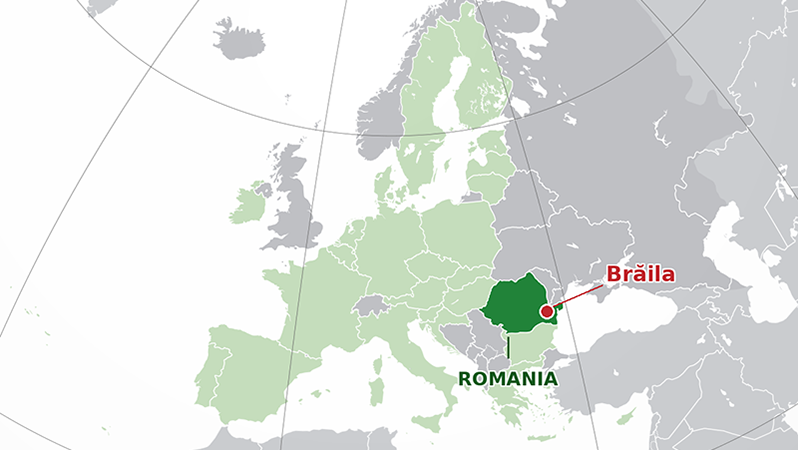
Alina, a devoted animal rescuer from Braila, could not leave them there. She got Rico and Nora out of the shelter herself, determined to save them. Both dogs were seriously ill, and she reached out everywhere she could think of, asking for help. No one answered. Except ROLDA.
Thanks to the generosity of the ROLDA Rescue Team, we were able to say yes. We arranged and covered the costs of testing and treatment, and connected Alina with a remarkable team of veterinarians at the Anim All Delta Clinic in Braila: Dr. Codreanu Bogdan and Dr. Stoian Bogdan.
On 8 June 2026, the two doctors came, examined both dogs, and ran complete blood panels and rapid tests. The results confirmed our fears.
Rico, a gentle five-year-old boy, tested positive for anaplasmosis. It is a bacterial infection spread by ticks, and left untreated, it silently attacks the blood, causing fever, joint pain, lethargy and worse.
Nora’s news was even more concerning. She tested positive for heartworm disease. Spread by a single mosquito bite, heartworms grow inside the heart and lungs, slowly suffocating a dog from within. Without treatment, it is fatal. Treatment itself is long and delicate, requiring careful monitoring every step of the way.
The doctors did not stop at a consultation, however. They took on both cases completely, starting treatment immediately and committing to monitor Rico and Nora throughout their entire recovery.
And then came a gesture that moved us deeply. Alina had nowhere to safely house the dogs during their treatment. So the clinic offered to keep Rico and Nora in their kennels, free of charge, until a solution is found. Kindness, they said, deserves kindness in return. The veterinary clinic will now become a ROLDA Care partner, joining our growing network of veterinarians who refuse to let cost decide whether an animal lives or dies.
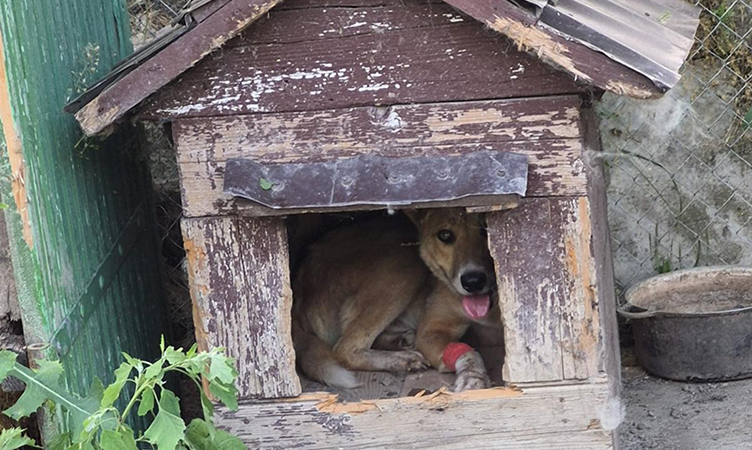
Rico recovering in the kennel where the clinic is hosting him free of charge
Alina’s message to us says it best:
“Without your intervention and generosity, these two dogs would not have had a chance. You are truly wonderful people, and I will be forever grateful. Thank you on behalf of Rico and Nora!”
Rico and Nora are now safe, warm and receiving the treatment they need. Their recovery will take time, but they are no longer fighting alone and desperate in a public shelter that does not care. This is what your support does. It answers the calls that no one else will. It turns a positive test result from a tragedy into a treatment plan. And it builds partnerships, like the one now forming in Braila, that will save animals long after Rico and Nora have recovered.
Please allow yourself a comforting smile, because you made this happen.
Two small Bichons, almost certainly related, were found together on the streets of Romania. Their bodies were so buried beneath thick mats of dirty, knotted fur that you could barely see the dogs underneath. Exhausted, terrified, and clinging to one another, they were the only family either of them had left.
Breeders are among the worst contributors to Romania’s stray animal crisis. Female dogs become commercial assets, valued for the puppies they can produce. When they stop generating profit, or when demand for their breed fades, many are simply abandoned.
Lately, everyone across Romania wants Bichons, in cities and villages alike. But a breed becomes a trend, and trends fade quickly. The dogs pay the price.
We can’t say with absolute certainty what happened to these two. But the evidence points clearly enough. They were found together. They appear related. And a litter of Bichon puppies brings in the kind of money that some people will be cruel to chase.
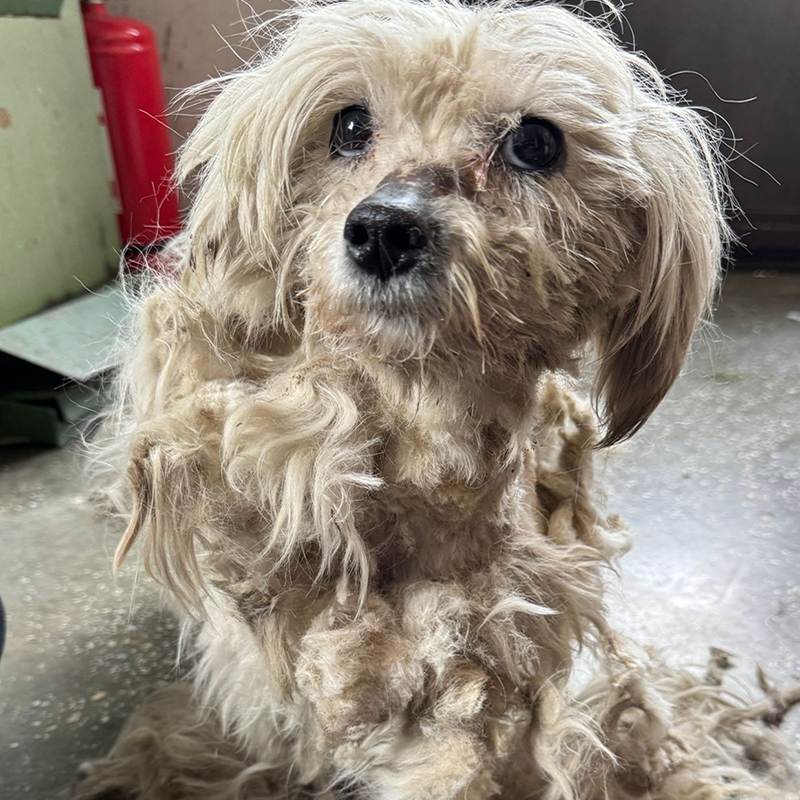
By the time we found them, their withered bodies told us how close they’d come to not surviving at all. Their fur was so badly matted that the clippers clogged repeatedly as we worked through it. Beneath the layers were two small dogs who had never known kindness. Never known safety.
Tests revealed they were both suffering from babesiosis, a malaria-like tick-borne disease that destroys red blood cells and causes extreme lethargy, pale gums, fever, dark urine, and jaundice. Without treatment, it can be fatal. With it, recovery was possible, and the prognosis for both was good.
Several weeks on, the update from our partners at the association in Târgu Frumos is the kind we live for. The Bichons are still in the association’s care, but they are no longer the terrified little creatures we first met. They are feeling better every day, growing in confidence, and slowly learning to trust.
Most touching of all is how dependent they are on each other. After everything they’ve been through, the bond between them is one thing they were never able to lose. For that reason, our team is now searching for a family willing to take both of them, so they can stay together.
These Bichons were once treated as a product, and then as rubbish. They will never be someone’s afterthought again. They are safe now, and that is only true because of the people who refuse to look away from the animals that the rest of the world has discarded. Thank you for being one of those rare, kind people.
When our team first examined Ksyusha, the extent of her injuries was heartbreaking. Her pelvis was damaged. Several bones in her legs were fractured. For a dog who had simply been trying to survive, the pain she was carrying was severe.
The examination brought some cautious relief alongside the worry. Of all the fractures, the vets determined that most should heal well in time. But one of them carries the potential for complications further down the road, something the team will continue to monitor carefully as Ksyusha’s recovery progresses.
For now, though, surgery is not an option. Ksyusha is in heat, which means her body is not in the right condition to safely go under anaesthetic. Her treatment for now is limited to medication.
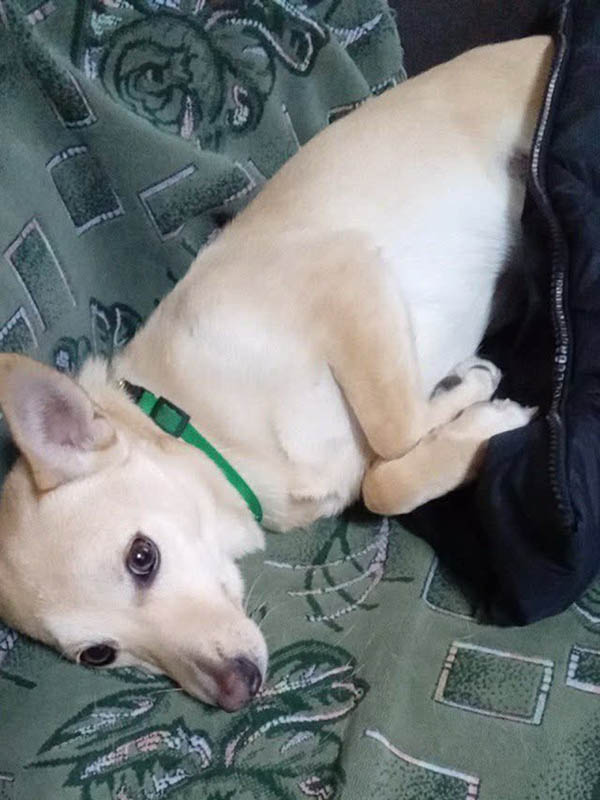
Look at the photo of Ksyusha and you will see something that surprises many people. Despite the fractured bones, the damaged pelvis, the pain she must still be feeling, she is calm. She allows hands to hold her gently. She looks directly at the camera with soft, steady eyes. She has not given up on people, even though people have given up on her.
Ksyusha’s story is not unusual. In Ukraine right now, injured stray animals are simply everywhere.
The country has faced years of economic hardship, and since Russia’s full-scale invasion began, the situation for animals has become catastrophic. Families have been forced to flee their homes, and dogs and cats have been left behind.
The stray population continues to grow, largely unchecked. Injured, malnourished, and without veterinary care, thousands of dogs are suffering on the streets of Ukrainian cities and towns.
Ksyusha is safe now. She is receiving medication, she is being monitored, and when her body is ready, the surgical team will be waiting. She will not be rushed and she will not be forgotten. That is what your support makes possible. Not just one rescue, but the patience and commitment to see it through.
Dumping trash in public. It happens, and we all hate it.
People choose abandoned fields, quiet back roads, empty lots, parks and riverbanks. Places and times where no one is watching. They leave what they no longer want. Things that once had value suddenly become disposable.
Behind one elderly woman’s home, there is a field where this happens far too often. Bags. Broken furniture. Cardboard boxes. So when another box appeared, no one thought much of it. Just more rubbish.
But after a few cold, rainy days, something about this box seemed different. Uneasy, the woman decided to walk out and check. What she found inside was heartbreaking. Four tiny bodies were curled together. Two were already cold and lifeless. The other two were barely alive, too weak even to cry properly.
The surviving puppies were brought into our care immediately. A kind volunteer, Andreea, welcomed them into her home for intensive 24-hour care, offering warmth, safety, and a chance to recover.
Once strong enough, they were dewormed and vaccinated. At first, they were so small they nestled safely among some older, calm cats Andreea cares for. As they grew stronger, they graduated to the company of dogs. With kindness, food, and constant love, their fragile bodies began to recover. Their eyes brightened. Their tails began to wag.
Then, two weeks ago, those same puppies, now lively, playful, and full of curiosity, were adopted. They have been given the names Letti and Lisette by their new, loving owner.
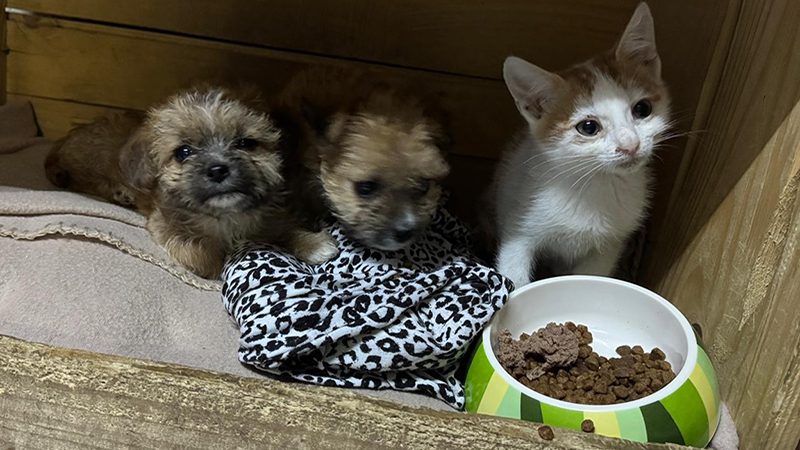
Today, they have what every animal deserves: a safe home, a secure future, and a family who will never throw them away. They will never be separated. They will never be left in a field.
This is a happy story.
But it is only happy because someone walked toward the box rather than past it. Because a volunteer stepped forward. Because someone chose to care.
If you are a ROLDA supporter, this is what you make possible. Rescue instead of neglect. Warmth instead of cold rain. Life instead of loss. You are the key that makes the difference.
Not every story begins with hope. But with your support, more of them can end this way.
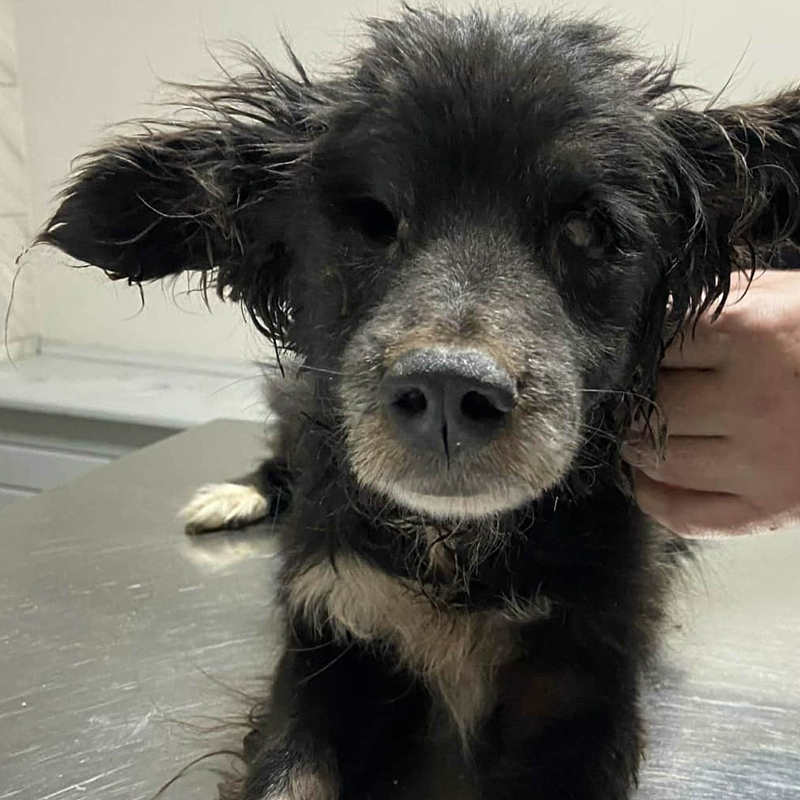
This is Bronya. He is elderly. He is blind. And until very recently, he was living on the streets of Ukraine. Bronya could not see the danger coming. He could not defend himself. At this stage in his life, he should not have been fighting to survive. He should have been resting, safe and protected.
Instead, Bronya was attacked by other dogs. Younger, stronger dogs fighting over food and territory left him with a large, penetrating wound to his neck. Injured, frightened, and unable to escape, Bronya was left in a situation that could easily have, would probably have, cost him his life.
Thankfully, someone stopped to help. Passerby and animal lover Olga brought Bronya to the clinic, where he finally received the care he so desperately needed. It was there that vets also discovered he was suffering from liver problems, something that had gone unnoticed for far too long while he struggled to survive on the streets.
Bronya’s story is not unusual.
Across Ukraine and Romania, dogs wander the streets hungry and afraid, searching each day for food, shelter, and a place to feel safe. With so little to go around, fights break out, leaving many dogs injured and in pain. Those wounds are rarely treated, and what begins as something small can quickly become life-threatening. All the while, these dogs are exposed to harsh weather, illness, and constant danger.
For elderly dogs, this life is especially cruel. Their bodies are tired. Their senses fade. They can no longer run, compete, or defend themselves, yet they are still forced to face the same threats every day. Blind, sick, injured, or weakened dogs are left struggling to survive in a world that no longer shows them mercy.
Life on the streets is unforgiving. There is no safety, no rest, and no guarantee of another day. Without human help, many dogs suffer in silence until it is too late.
This is why intervention matters.
With support, dogs like Bronya can receive urgent medical care, relief from pain, and the chance to experience safety and kindness, sometimes for the first time in their lives. And when they really need it most. Without it, they are left to face hunger, injury, and fear alone.
Bronya should not have had to endure what he did. Neither should the many dogs still struggling to survive on the streets of Ukraine.
Your support reaches them through ROLDA and transforms their experience of this world.
Her name is Krasotka – it means “beauty” or “pretty girl”.
When volunteer Olga found Krasotka on the streets of Ukraine, she was a beautiful tabby cat. But one who was clearly not well. When Olga managed to get near, she could see large tumours on her belly. Krasotka was a beautiful cat whose body bore the signs of a tough life on the streets.
Street cats in Ukraine face impossible odds even in peacetime. But in a country where war has stretched every resource to its breaking point, where survival itself requires constant vigilance, the plight of stray animals often goes unnoticed entirely. Olga noticed.
When she came across Krasotka struggling to move, weighed down by tumors that should never have been allowed to grow so large, she didn’t look away. She saw a living being in desperate need, and she acted.
Krasotka was brought to Inessa, who runs a ROLDA-sponsored shelter in Korosten, Ukraine. Even for someone who has witnessed countless cases of neglect and suffering, Krasotka’s condition was shocking. The tumors on her mammary chain were large and enflamed. This cat had been used up by years of breeding, litter after litter draining her resources, until her body could no longer sustain itself.
Mammary tumors in cats are often the direct result of repeated pregnancies without spaying. Each heat cycle, each litter increases the risk. For street cats who have no choice but to breed, the consequences are almost inevitable. And without intervention, these tumors grow, spread, and cause unimaginable suffering.
Krasotka needed immediate surgery. Thanks to the support that makes ROLDA’s work in Ukraine possible, Inessa was able to get Krasotka into surgery quickly.
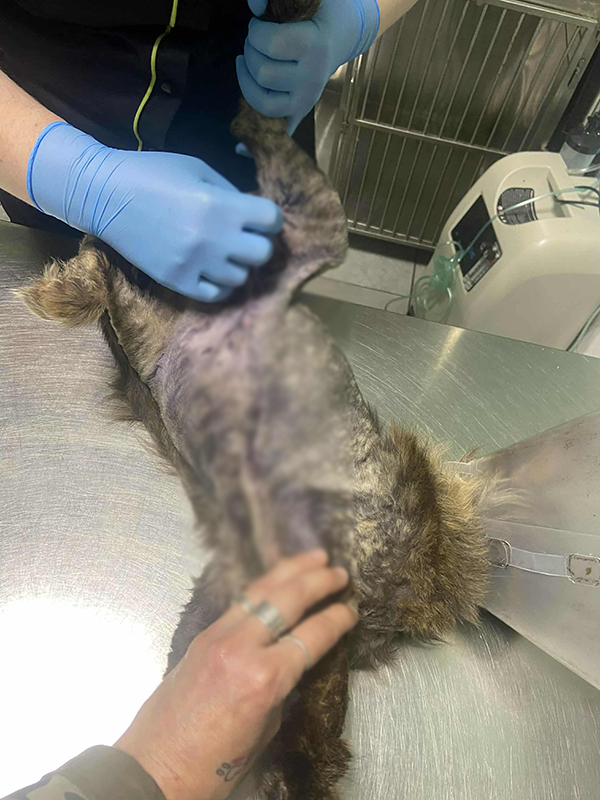
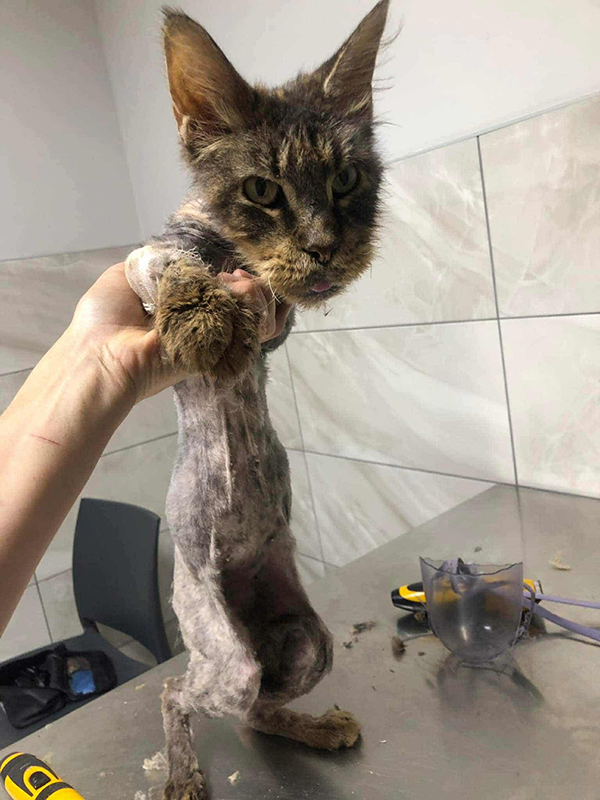
The procedure revealed just how dire her situation truly was. When the veterinary team shaved her matted fur in preparation for surgery, the full horror of her condition became visible. Underneath, her body was skeletal, every rib visible, her skin stretched tight over bones. She wasn’t just sick; she was starving. The tumors had grown so large that they’d taken over her entire mammary chain, and what little energy her body could muster had gone toward simply staying alive.
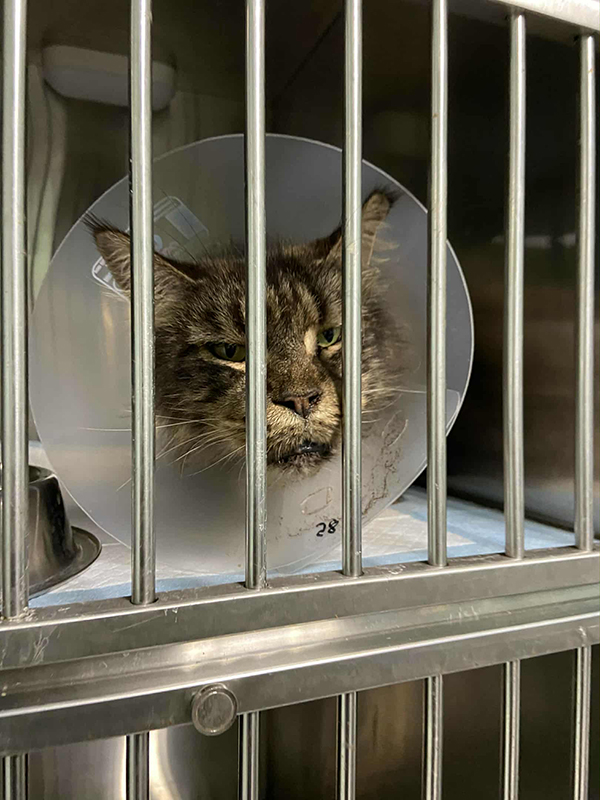
But Krasotka survived the surgery. She’s now recovering at the shelter, wearing the cone that will protect her surgical site as she heals. Her belly, finally free from the weight that had been pulling at her, is stitched and bandaged. For the first time in years, she can move without pain dragging at every step.
And perhaps now, finally, her name fits again. Because beauty isn’t just about appearance; it’s about resilience, about surviving when everything is stacked against you. In that sense, Krasotka has always been beautiful. She just needed someone to see it.
But Krasotka’s story represents something larger than one cat’s suffering. She is one of countless female street cats trapped in an endless cycle of breeding and illness. Without spaying programs, without intervention, these cats will continue to produce litters they cannot care for, continue to develop preventable diseases, continue to suffer needlessly.
This is why ROLDA’s support of shelters like Inessa’s is so critical. Every surgery performed, every cat spayed, every animal rescued breaks the cycle. It prevents future suffering, saves future lives, and offers hope in a situation that often feels hopeless.
Krasotka is recovering now, but her treatment isn’t free. The surgery, the post-operative care, the medications she needs; all of this requires funding that Ukrainian shelters simply don’t have on their own. In a war zone where resources are scarce, international support isn’t just helpful. It’s the difference between life and death.
Your donations make stories like Krasotka’s possible. They transform a suffering street cat into a survivor. They give volunteers like Olga and Inessa the resources they need to answer the call when they encounter animals in desperate need.
Krasotka, the beauty, the pretty girl, is getting her second chance. She’s one of the lucky ones. But there are so many more still waiting, still suffering, still hoping that someone will notice them the way Olga noticed Krasotka.
Will you help us reach them?
Purrl, a young stray Romanian kitten, has already endured incredible amounts of illness at such a young age.
Lying alone on the cold concrete outside an apartment building, poor Purrl was on the brink of death. Barely conscious, severely emaciated and hypothermic, Purrl was hanging on to her last moments. This was when Simona from ROLDA animal rescue partner ‘The Great Catsby’ spotted her. Purrl was so small and motionless, Simona almost tripped over her tiny, unnoticeable body.
Simona delicately and lovingly scooped her up and then rushed her inside, only to discover Purrl was in even worse condition than it first appeared. She was jaundiced, ulcers had taken over her mouth, and the poor little kitten was just skin and bones.
After speaking with the local vet, Simona did everything she could to help Purrl survive the night. She gave her fluids, antibiotics, pain relief, anti-nausea medication, and wrapped her in an electric blanket. In a perfect world, she would have rushed Purrl to the 24/7 emergency veterinary clinic immediately. But with so many starving and sick animals to care for that week, the cost was more than could be afforded.
Thankfully, with care, dedication and determination, Simona helped Purrl survive the night and took her to the clinic the very next morning. As expected, testing and lab work revealed Purrl’s numerous challenges. Inflammation has taken over her tiny body, causing severe damage to her liver and pancreatic functions.
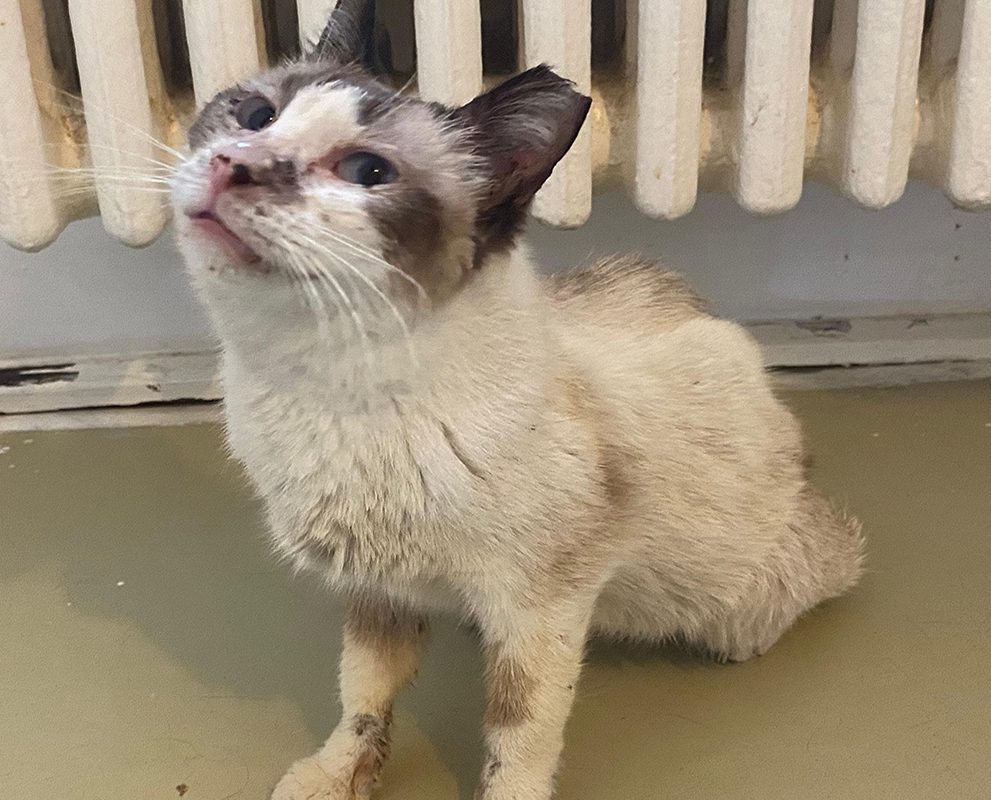
Her mouth remains extremely painful, with severe ulcers, bleeding, and rotting teeth. While she’s receiving pain relief, Purrl is still far too weak to undergo anesthesia for the dental procedures she urgently needs.
The next frightening discovery was that her stool was completely colourless. Even more alarming, her stool contained a significant amount of blood. A fecal sample and abdominal ultrasounds will be conducted to assess the condition of her organs and see if they reveal any further clues.
Right now, Purrl is doing better than when Simona discovered her, but is still in terrible shape. We are doing everything in our power to save this poor fur baby and prevent her suffering.
Purrl is just one of so many innocent animals suffering on the streets every day. With your help, we can not only continue her fight for life, but also be there for the next desperate soul who needs us. Your kind donation is often the crucial difference for cats like Purrl, giving them the chance and care they need.
When the Vet Calls
The phone rings, and my heart already knows what’s coming.
It’s another veterinarian, voice heavy with the weight of an impossible situation. Another injured animal sits in their clinic, caught between hope and heartbreak, while the clock ticks toward a decision no one wants to make.
A Day That Started Like Any Other
Parents had brought their children to enjoy a sunny afternoon at the local park when they noticed him—a dog in the middle of the playground, clearly in pain and growing more agitated by the moment. Concerned for their children’s safety, they called the council for help.
When the dog handler arrived, the full scope of this poor soul’s suffering became clear. Angry, infected wounds circled her neck where a chain had been embedded—likely for months or even years. Her body was shaking with pain and fatigue, but it was the large tumor growing on her belly that made everyone’s heart sink.
No identification. No owner stepping forward. Just another stray whose world of pain had finally intersected with humans who cared enough to help.
The Question That Haunts Every Animal Lover
“We have a dog here,” the veterinarian explained when they called us. “She’s quite young, maybe three or four years old. Under all this suffering, she’s got so much life left in her. But without surgery and treatment, we’ll have to put her to sleep. Can you help?”
How do you answer that call? How do you look at a young, treatable animal and decide whether she gets a chance at the life she deserves, or whether her story ends on a steel table because no one can pay for her care?
This is the Reality Veterinarians Face Every Day
Across Romania, compassionate veterinarians receive injured strays brought in by Good Samaritans who can’t afford the treatment costs. These vets chose their profession because they love animals, but they’re caught in an impossible position: provide free care and risk their business closing, or euthanize animals that could easily be saved.
That’s when they call us. When they call ROLDA.
The Weight of Yes
When that call came about the dog from the playground, we didn’t hesitate. We said yes before we’d even calculated the cost of her surgery, her tumor removal, her wound treatment, her recovery care.
We said yes because that’s what ROLDA is—a network of people who believe that when an animal needs help, we find a way. Even when our budget is stretched thin. Even when we’re not sure how we’ll cover the next emergency call.
We said yes because somewhere out there are people like you who understand that these calls aren’t just about one dog—they’re about the promise that no animal suffers alone when help is possible.

Every Month, Every Call, Every Life
The veterinarian worked with us to keep costs as reasonable as possible—because they care too. The surgery was successful. The tumor was removed. The wounds are healing. That dog who was dying in a playground is now wagging her tail in recovery, probably for the first time in months.
But even as I write this, I know our phone will ring again next week. Another vet, another animal caught between life and death, another split-second decision that determines whether hope wins or gives way to heartbreak.
Your Voice in That Decision
Every time we say yes, it’s not just ROLDA speaking—it’s every monthly supporter who has chosen to be part of these life-or-death moments. Your support doesn’t just fund medical care; it gives us the confidence to answer “yes” when that next call comes.
When the phone rings tomorrow with another emergency, will you be part of the voice that says this animal’s life matters?
Become a monthly supporter and ensure we never have to let cost determine whether an animal lives or dies.